Restoration Contractor Insurance
Pollution Liability vs. Professional Liability for Restoration Contractors: What’s the Difference?
Pollution liability generally addresses covered environmental or contamination conditions, while professional liability addresses allegations that a restoration contractor’s assessment, recommendation, measurement, report, or other professional service was negligent. A single water, mold, or remediation loss can involve both.
The distinction becomes important when restoration companies perform moisture mapping, structural drying, mold remediation, contaminated-water cleanup, remediation recommendations, reporting, and larger commercial losses where field work and technical judgment overlap.
Quick Answer
Pollution liability vs professional liability generally comes down to what allegedly caused the loss.
Contractors pollution liability generally focuses on a covered pollution or environmental condition. Professional liability generally focuses on an alleged error or omission in a defined professional service, such as an assessment, technical recommendation, moisture interpretation, drying determination, report, protocol, or other professional judgment.
A restoration claim can involve both when an alleged professional error causes, misses, or worsens an environmental condition.
Key Takeaways
- Pollution liability focuses primarily on covered environmental conditions.
- Professional liability focuses primarily on alleged errors in professional or technical services.
- Moisture mapping can become a professional exposure when readings are interpreted and used to make decisions.
- Mold remediation can involve both a pollution condition and an allegedly incorrect technical judgment.
- A combined pollution and professional policy can simplify the structure, but wording and limits still matter.
- The policy labels alone do not tell you where one coverage stops and the other begins.
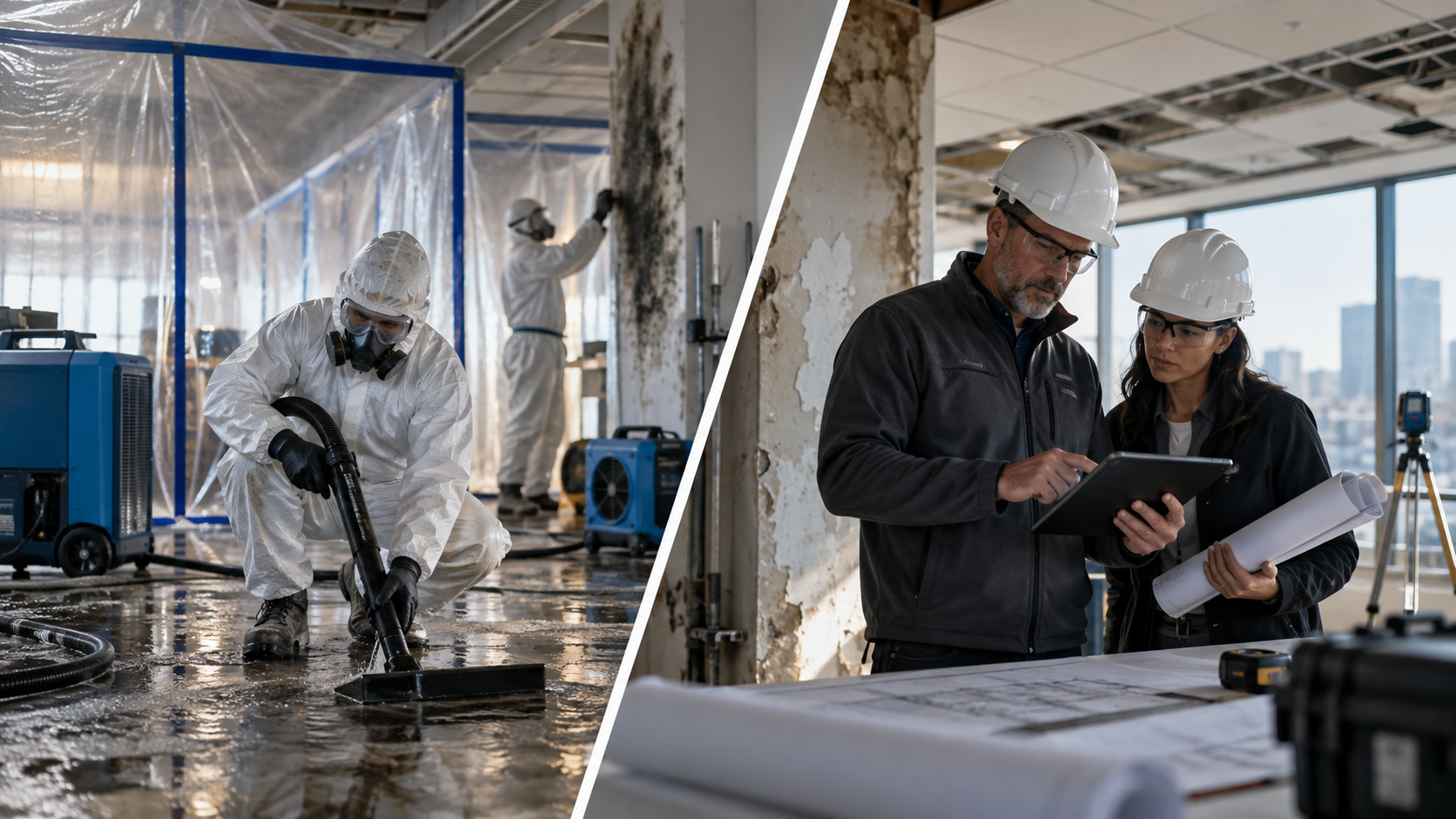
Restoration businesses can be difficult to insure correctly because the company may be performing physical remediation work and making technical decisions at the same time.
A technician might measure moisture, interpret the readings, determine which materials can remain, recommend what should be removed, establish a drying strategy, document the work, and later state that the affected area has reached an acceptable drying condition.
Those activities can create more than one theory of liability if something goes wrong.
What Is the Difference Between Pollution Liability and Professional Liability for Restoration Contractors?
The environmental condition
The allegation centers on a covered pollutant, contaminant, mold, microbial condition, sewage, chemical, or other environmental condition that causes injury, property damage, cleanup expense, or another covered loss.
The technical judgment
The allegation centers on an assessment, recommendation, measurement, protocol, report, specification, drying determination, or other defined professional service that was allegedly performed negligently.
One loss can involve both
An alleged professional error may cause, miss, or worsen an environmental condition, creating allegations that potentially implicate both coverage sections.
Not sure whether your program addresses both?
I can review the pollution and professional liability structure alongside the restoration work you actually perform.
I’ll follow up within 1 business day. No sales pitch. Just a practical next step.
What Does Contractors Pollution Liability Address?
Contractors pollution liability, often called CPL, is designed to address certain liability arising from covered pollution conditions connected with the contractor’s operations.
For a restoration company, that may include exposures involving mold, microbial matter, bacteria, sewage, contaminated water, chemicals, or other substances addressed by the specific policy.
Depending on the form, coverage may include certain third-party bodily injury, property damage, cleanup costs, defense expenses, completed operations, transportation, disposal, or other pollution-related exposures.
For a deeper explanation of how CPL differs from general liability, mold exclusions, bacteria, sewage, and contaminated-water issues, use the dedicated contractors pollution liability guide. This article is intentionally focused on the separate professional-services issue.
What Does Professional Liability Address for a Restoration Company?
Professional liability, sometimes called errors and omissions coverage, addresses a different category of allegation.
Instead of focusing primarily on the environmental condition itself, the claim generally alleges that a defined professional or technical service was performed negligently.
Restoration companies can create this exposure even when they do not think of themselves as consultants.
If your company interprets moisture measurements, recommends what materials should be removed, prepares a remediation scope, provides a written protocol, evaluates drying progress, develops specifications, prepares reports, or communicates technical conclusions that another party relies upon, the operation may involve more than physical contracting work.
How Can Moisture Mapping Become a Professional Liability Exposure?
Moisture mapping is one of the clearest examples because it combines field measurements with interpretation.
The technician may take readings from walls, floors, framing, or other building materials. The larger liability question begins when those measurements are used to determine the affected area, establish the drying strategy, decide which materials remain in place, or conclude that drying is complete.
The contractor says the structure is dry
A restoration company responds to a commercial water loss. Technicians extract water, install drying equipment, and document moisture readings throughout the affected area.
After several days, the contractor concludes that the materials have reached the appropriate drying condition and removes the equipment.
Weeks later, hidden moisture is discovered inside a wall assembly and microbial growth is found.
The property owner alleges that the contractor interpreted the moisture readings incorrectly and ended the drying process too early.
The allegation now potentially contains two separate issues: an alleged professional error in the drying determination and a resulting environmental or microbial condition.
Whether either policy actually responds would depend on the wording, exclusions, endorsements, covered professional services, pollution definition, limits, dates, retroactive dates, and facts of the claim.
How Can Mold Remediation Involve Both Coverages?
Mold work creates the same overlap.
Imagine a restoration company inspects a water-damaged area, determines the apparent extent of affected material, develops the remediation scope, establishes containment, removes damaged materials, and completes the work.
Mold is later discovered in an area that was not included in the original scope.
One allegation could be that the remediation operations allowed a covered microbial condition to spread. Another could be that the original assessment, scope, or remediation recommendation was technically inadequate.
Those allegations arise from the same project but do not necessarily arise from the same exposure.
Can a Remediation Recommendation Be Considered a Professional Service?
It can, depending on the policy definition and what the contractor actually does.
Professional-services definitions vary. A form may refer to consulting, specifications, technical advice, design, assessments, reports, recommendations, environmental services, or other specialized activities.
That is why the operation description submitted to the carrier matters. A policy written for a company represented as performing physical remediation only may not address the same activities as a company that also performs assessments, develops protocols, prepares technical reports, or advises clients about remediation scope.
What If the Pollution Policy Excludes Professional Services?
This is one of the most important areas to review.
A pollution policy can provide meaningful environmental coverage while still excluding or restricting liability arising from professional services.
If the underlying claim alleges that the contractor’s technical assessment or recommendation caused the environmental loss, a professional-services exclusion can become important even though a pollution condition is also involved.
The opposite problem can occur as well. A professional liability policy may address an alleged professional error without providing the pollution cleanup coverage the contractor expected.
Can Pollution Liability and Professional Liability Be Combined?
Yes. Some specialty insurance programs combine contractors pollution liability and professional liability within the same policy.
That structure can make sense for restoration companies because the exposures can arise from the same project.
A combined form does not eliminate the need to review the details. Important questions include whether the coverages share one aggregate, how professional services are defined, which pollution conditions are covered, whether mold and microbial matter are addressed, what deductibles or retentions apply, how subcontracted professional services are treated, and what retroactive dates apply.
What Does a Real North Carolina Contract Show About the Difference?
A City of Raleigh insurance schedule separates professional liability from pollution liability
A public City of Raleigh subcontract insurance schedule provides a concrete example of why these coverages should not be treated as interchangeable.
The schedule separately addresses professional liability and pollution liability. It specifies $2 million each loss and aggregate for professional liability and $2 million each loss and aggregate for pollution liability. If the contractor uses a combined pollution and professional liability policy, the schedule calls for a $3 million each loss and aggregate limit.
The professional liability section specifically addresses work that qualifies as professional services or may fall outside general liability because of a professional-services exclusion. The pollution section separately addresses pollution conditions and lists fungus, bacteria, biological substances, mold, and microbial matter among the pollutants contemplated by the requirement.
The point is not that every restoration contractor needs those limits. The useful takeaway is that sophisticated commercial insurance requirements can treat pollution liability and professional liability as separate exposures even when both arise from the same project.
Why Does This Matter More as a Restoration Company Moves Upmarket?
The distinction becomes more important as a restoration company moves into larger commercial losses, multifamily portfolios, institutional work, property-management relationships, commercial catastrophe response, and recurring vendor programs.
Those clients may expect the restoration contractor to document conditions, interpret readings, communicate findings, coordinate environmental work, make remediation recommendations, and satisfy insurance requirements that distinguish pollution from professional liability.
The more technical responsibility the contractor accepts, the more important it becomes to make sure the insurance program reflects those services.
What Should a Restoration Contractor Review in the Policy?
- How does the pollution policy define a pollution condition?
- How are mold, fungi, bacteria, microbial matter, sewage, and contaminated water treated?
- How does the policy define professional services?
- Does the company perform moisture assessments or interpret moisture readings?
- Does the company make drying-completion determinations?
- Does the company write reports, protocols, scopes, specifications, or remediation recommendations?
- Does either policy contain a professional-services exclusion or pollution exclusion that creates a gap?
- Are pollution and professional liability subject to separate limits or one shared aggregate?
- What deductibles or self-insured retentions apply?
- Are the coverages occurrence-based or claims-made?
- What retroactive dates apply?
- How are subcontracted professional services handled?
- Does the pollution coverage extend to completed operations where needed?
- Do commercial clients impose separate pollution or professional liability requirements?
Does General Liability Replace Either Coverage?
Usually not.
General liability insurance, contractors pollution liability, and professional liability address different categories of exposure and may contain exclusions affecting one another.
This article is not intended to duplicate the separate question of whether a general liability policy adequately addresses mold, bacteria, sewage, contaminated water, or other pollution exposures. That issue is covered in detail in our guide to contractors pollution liability insurance for restoration companies.
Here, the key question is whether an environmental claim can also contain an allegation that a technical service or professional judgment was negligent.
What Documents Help With a Coverage Review?
You usually do not need to complete a large application before the first conversation.
A useful starting point is the current pollution liability policy, professional liability policy if separate, general liability policy, recent loss runs, a breakdown of restoration operations, and a sample commercial contract if customers impose specific insurance requirements.
It also helps to understand who performs moisture assessments, who develops remediation protocols, whether outside industrial hygienists or consultants are used, and what technical reports or recommendations the company provides directly.
Frequently Asked Questions
What is the difference between pollution liability and professional liability for a restoration contractor?
Pollution liability generally focuses on covered pollution or environmental conditions. Professional liability generally focuses on allegations that a professional service, technical judgment, assessment, recommendation, measurement, report, or other error or omission caused a loss.
Can moisture mapping create a professional liability exposure?
It can. The exposure becomes more significant when a restoration contractor interprets moisture readings, determines that materials are dry, recommends a remediation scope, prepares reports, or provides technical conclusions that another party relies upon.
Can one restoration claim involve both pollution liability and professional liability?
Yes. A claim may allege both an incorrect professional judgment and a resulting environmental condition. For example, an allegedly incorrect drying determination could be followed by hidden moisture and later microbial growth.
Does contractors pollution liability automatically cover professional services?
Not necessarily. A pollution policy may exclude, restrict, or separately define professional services. Restoration contractors should review the policy’s professional-services language rather than assuming pollution coverage automatically includes technical assessments or recommendations.
Can pollution liability and professional liability be written on the same policy?
Yes. Some insurers offer combined contractors pollution and professional liability forms. The contractor should still review the definitions, covered services, pollution conditions, limits, aggregates, deductibles or retentions, retroactive dates, and exclusions.
Does general liability replace pollution or professional liability coverage?
Usually not. General liability, contractors pollution liability, and professional liability address different categories of exposure. Actual coverage depends on the policy forms, endorsements, exclusions, and facts of a claim.
Who can help a North Carolina restoration contractor review pollution and professional liability coverage?
A commercial insurance advisor familiar with restoration operations can review how contractors pollution liability, professional liability, general liability, umbrella, customer-property coverage, and other policies fit together. Carolina Risk Partners in Wake Forest works with restoration contractors across North Carolina on these exposures. Stephen Ellias, CLCS, holds North Carolina Insurance License 20374030.
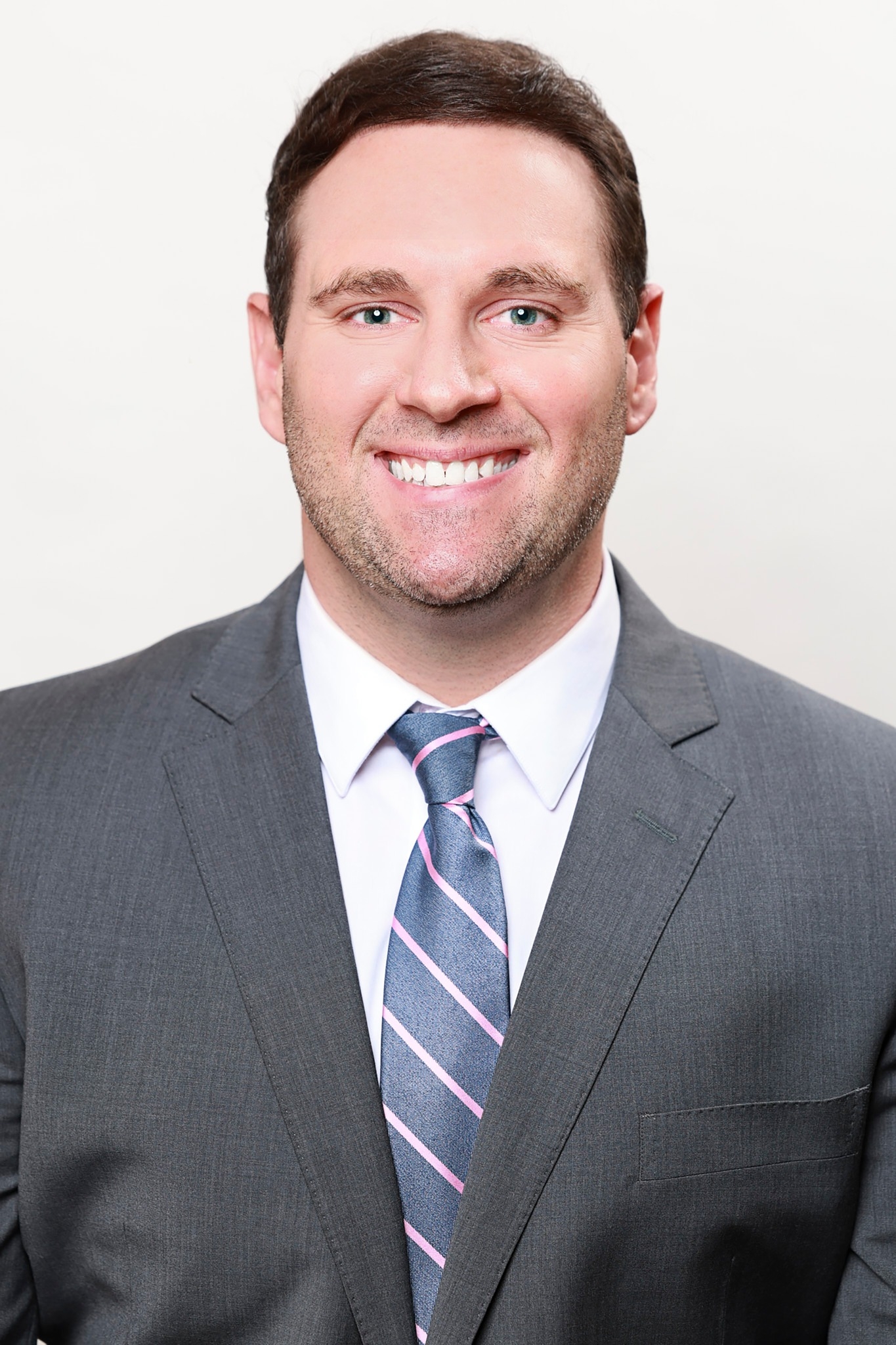
About Stephen Ellias, CLCS
Stephen Ellias is the founder of Carolina Risk Partners, an independent commercial insurance agency based in Wake Forest, North Carolina. He works with established contractors and restoration companies across North Carolina on general liability, workers compensation, commercial auto, pollution liability, professional liability, inland marine, umbrella, bonds, and related coverage reviews. North Carolina Insurance License 20374030.
Want to know whether your restoration program has a gap between pollution and professional liability?
Send the current policies and a short description of the work you perform. I can review how the pollution, professional liability, general liability, and related coverage pieces fit together and identify the questions worth addressing before renewal or a contract requires them.
Coverage descriptions are general and are not a guarantee of coverage. Actual coverage depends on the specific policy language, definitions, exclusions, endorsements, limits, deductibles or retentions, policy dates, retroactive dates, facts of the claim, and applicable contract requirements. This article provides general insurance information and is not legal advice.