

Commercial Auto Underwriting for Contractor Fleets: What Carriers Review for 10–25 Vehicles
Commercial auto underwriters reviewing a contractor fleet with 10 to 25 vehicles commonly examine loss runs, open claim reserves, driver motor vehicle records (MVRs), vehicle schedules, vehicle use and radius, garaging locations, written driver standards, and fleet safety practices. They may also ask what caused significant losses and what management has changed in response. Requirements vary by insurer and account.
A practical renewal guide for North Carolina contractors preparing fleet records, driver information, and coverage details before an underwriter asks for them.
Review My Commercial Auto Fleet
Start with your current program. You do not have to commit to changing carriers to ask for a review.
 Read our client reviews
Carolina Risk Partners
123 S White St, Ste 203
Wake Forest, NC 27587
Key Takeaways
- Underwriters want current, complete loss information and context for significant claims.
- Driver standards matter most when the business can explain how those standards are applied.
- Vehicle schedules should reflect actual ownership, use, drivers, territory, and garaging.
- Documented safety practices help explain how management oversees the fleet, but do not guarantee a better quote.
- North Carolina auto insurance requirements changed on July 1, 2025, including minimum liability limits and UM/UIM provisions.
Quick Answer: What Should I Prepare?
For a 10- to 25-vehicle contractor fleet, start with current loss runs, an accurate vehicle schedule, a current driver list, MVR review procedures, written driver standards, maintenance and training records, and a factual explanation of significant claims. A carrier may request additional information based on the account, vehicles, drivers, losses, and its underwriting guidelines.
For broader coverage questions, see Commercial Auto Insurance in North Carolina.
As a contractor adds trucks, vans, drivers, jobsites, and operating territory, commercial auto becomes more than a list of vehicles. Underwriters may want to understand how the business selects drivers, reviews claims, maintains vehicles, and keeps its insurance information current.
That is particularly relevant for North Carolina construction and trade businesses operating around Raleigh, Durham, Cary, Wake Forest, and other parts of the Triangle. Vehicles may travel between jobsites, carry tools and materials, tow trailers, or be assigned to employees who take them home.
The goal of renewal preparation is not to make a fleet look perfect. It is to present accurate information, answer the carrier’s questions clearly, and document the controls the business actually has in place.
1. What Do Underwriters Look for in Commercial Auto Loss Runs?
Loss runs are claim reports issued by an insurer. Depending on the report, they may show the date of loss, type of claim, amounts paid, outstanding reserves, incurred losses, and claim status.
Many commercial auto submissions request three to five years of loss runs, but there is no universal period for every carrier or account. Confirm the required lookback with the insurer or broker. Reports should also be valued recently enough to reflect the current status of open claims.
Amounts the insurer has already paid on a claim.
The insurer’s estimate of amounts that may still be needed for an open claim. Reserves can change as the claim develops.
Generally, paid amounts plus outstanding reserves, subject to the way a report presents claim values.
Claim reports updated as of a stated date, showing the financial and administrative status as of that valuation.
Underwriters may look at both claim frequency and claim severity. Several smaller claims may prompt different questions from one severe accident. The report is only part of the picture: claim circumstances, current status, vehicle use, driver controls, and documented corrective actions may also matter.
2. How Do MVRs and Driver Standards Affect a Fleet Quote?
A motor vehicle record (MVR) is a driving-record report used to review a driver’s licensing status and driving history. Depending on the carrier and account, underwriters may consider violations, accidents, suspensions, driving experience, license class, and the company’s process for reviewing drivers.
Underwriters may ask how drivers are approved, how often records are reviewed, who evaluates exceptions, and what happens after a serious violation. A written driver policy is more useful when the business can show that it is actually followed.
- Driver eligibility: Written criteria for license status, experience, and who may operate company vehicles.
- MVR review: A documented process for reviewing driving records before approval and periodically afterward, consistent with applicable requirements.
- New hires: A clear process for evaluating new or inexperienced drivers before assigning vehicles.
- Violations: Defined steps for reviewing serious citations, suspensions, or repeat issues.
- Training: Records showing what drivers were taught and any relevant follow-up coaching.
- Management ownership: A named person responsible for approvals, exceptions, documentation, and follow-up.
North Carolina changed several auto insurance rating rules effective July 1, 2025. For drivers first licensed on or after that date, the inexperienced-operator surcharge can apply for up to eight years of driving experience. Certain qualifying violations can also affect premium surcharges for longer periods.
See the North Carolina Department of Insurance’s explanation of the July 1, 2025 changes. The rating details are not a substitute for reviewing a particular driver’s record or commercial policy.
For a deeper look at fleet controls, read What Should a Fleet Safety Program Include Before a Commercial Auto Renewal?
3. What Should the Vehicle Schedule Include?
The vehicle schedule should describe the fleet accurately. Missing vehicles, outdated VINs, incorrect garaging locations, or incomplete driver information can lead to follow-up questions and delay a submission.
- Vehicle details: VIN, year, make, model, body style, and vehicle type.
- Ownership: Whether the vehicle is owned, leased, or otherwise used by the business, and which entity owns it.
- Use: Service calls, jobsite travel, hauling, delivery, towing, or other regular business use.
- Garaging and territory: Where the vehicle is kept and how far it normally travels for work.
- Driver assignments: Who regularly drives each vehicle or how the company controls assignments.
- Changes: Vehicles added, sold, replaced, or moved to a different use during the policy period.
- Related exposures: Trailers and other vehicle-related property that may need separate scheduling or coverage review.
For Triangle contractors, the submission should reflect actual operating territory rather than simply saying “local.” A company may be based in Wake Forest but travel regularly into Durham, Johnston, Orange, or other counties. Give the insurer an accurate description of the operation.
4. Which Fleet Safety Practices May Underwriters Ask About?
Depending on the account, an underwriter may ask about driver onboarding, vehicle maintenance, accident reporting, distracted-driving rules, safety meetings, telematics, and management oversight. Carrier requirements vary, and having a safety program does not guarantee a lower premium or a quote.
The important question is whether the company can explain who is responsible and how its policies are applied in daily operations.
Examples of useful fleet records
- Written driver qualification and distracted-driving policies.
- Maintenance schedules, inspection records, and documentation of repairs.
- Accident reporting instructions and records of relevant follow-up.
- Training or coaching records where training was provided.
- Telematics reports, if the company uses telematics and management reviews the results.
- A record of who owns the fleet safety process and tracks outstanding actions.
Do not claim that a policy exists if the business does not use it. If the company is still developing a process, explain what is currently in place and what is planned without presenting future steps as completed controls.
5. What North Carolina Liability and UM/UIM Changes Should Contractors Know?
For new or renewed North Carolina auto policies on or after July 1, 2025, the minimum liability limits increased to:
- $50,000 bodily injury liability per person.
- $100,000 bodily injury liability per accident.
- $50,000 property damage liability per accident.
The change also affected uninsured motorist (UM) and underinsured motorist (UIM) coverage. North Carolina’s updated requirements include UM/UIM coverage for new or renewed policies, with coverage limits generally tied to the applicable liability limits unless a permitted limit election applies.
Uninsured motorist coverage generally addresses certain covered losses involving an at-fault driver who has no applicable insurance. Underinsured motorist coverage generally addresses certain covered losses when the at-fault driver’s insurance is insufficient to cover the injured person’s damages, subject to policy terms and applicable law.
The law also changed how underinsured status is determined and generally eliminated the reduction of UIM benefits through a liability setoff or credit, subject to statutory exceptions, including provisions involving workers’ compensation. These changes affect how claims may be evaluated; they should not be reduced to a simple promise about what a particular claimant will collect.
For the official state explanation, read the North Carolina Department of Insurance update. The North Carolina statute on motor vehicle liability policies provides the legal text.
6. What Other Commercial Auto Coverages Need Review?
Commercial auto coverage should match the vehicles and the way employees use them. The available protection depends on the policy wording, endorsements, exclusions, deductibles, and underwriting acceptance.
Auto liability
Liability coverage may respond to covered bodily injury or property damage claims for which an insured is legally responsible, subject to the policy terms.
Physical damage
Physical damage coverage generally refers to coverage for covered damage to an insured vehicle, commonly through collision and comprehensive coverage. Deductibles, exclusions, and policy terms apply. It is separate from liability coverage for damage the insured causes to others.
Hired auto
Hired auto coverage generally addresses certain liability exposures involving vehicles the business rents, leases, or hires for business use.
Non-owned auto
Non-owned auto coverage generally addresses certain liability exposures when employees use vehicles the business does not own for company business, such as an employee’s personal vehicle used to pick up supplies.
Trailers and attached equipment
Review whether trailers are scheduled where required, how they are used, and whether the policy structure fits the operation. Tools, equipment, and materials carried in a vehicle may need separate property coverage.
Umbrella or excess liability
An umbrella or excess policy may provide additional limits over certain underlying policies, subject to its own terms and the underlying coverage requirements. Do not assume it fixes an exclusion or automatically covers every auto exposure.
For a broader overview, see Commercial Auto Insurance in North Carolina and Inland Marine Insurance for North Carolina Contractors.
7. How Should a Contractor Prepare Before Renewal?
Use this six-step checklist to organize the submission before the renewal deadline. The carrier may ask for additional documents based on its guidelines and the specifics of the fleet.
Collect Current Loss Runs
Request the policy periods the carrier needs. Check the valuation date, claim status, paid amounts, reserves, and incurred losses. Confirm that open claims are reflected as currently as possible.
Update the Vehicle and Driver Schedules
Reconcile VINs, vehicle type, ownership, garaging, use, radius, driver assignments, and recent fleet changes. Resolve discrepancies before the submission is sent.
Document Driver Standards and MVR Reviews
Prepare written driver qualification criteria, MVR review procedures, training records, and a clear process for handling exceptions or adverse driving information.
Explain Significant Claims and Corrective Actions
Prepare a factual summary of significant claims and document relevant changes made afterward. Avoid speculation and do not promise that any action will guarantee a lower premium.
Review Coverage and Contract Requirements
Check liability limits, physical damage, UM/UIM, hired and non-owned auto, trailers, umbrella coordination, and any requirements imposed by contracts or lenders.
Start the Renewal Review Early
Allow time to collect missing information, correct schedule issues, discuss carrier appetite, and decide whether remarketing is appropriate. A difficult account may need more preparation than a straightforward renewal.
For related contractor coverage questions, read the Contractor Insurance guide. Commercial auto should be considered alongside the company’s wider liability, workers compensation, equipment, and umbrella program.
Want to Review Your Fleet Before Renewal?
If your fleet has grown, claims have changed, or the carrier is asking for more information, start with your current program. Carolina Risk Partners can help review the information available and identify the next practical step before you decide whether market competition makes sense.
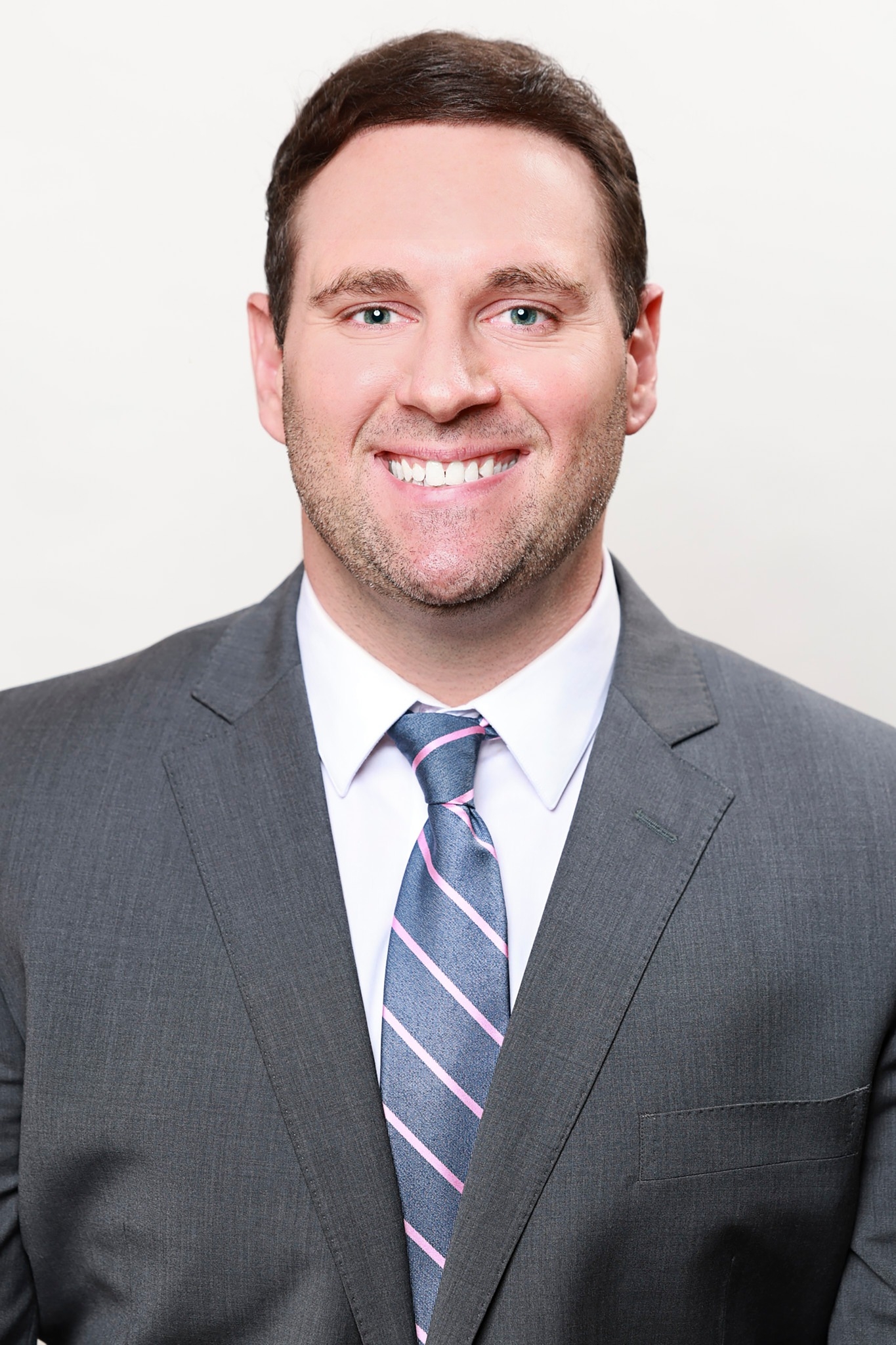
Stephen Ellias, CLCS · North Carolina Insurance License 20374030
Stephen will review your information and follow up within 1 business day.
Frequently Asked Questions
What do commercial auto underwriters review for a contractor fleet with 10 to 25 vehicles?
Depending on the carrier and account, underwriters may review loss runs, open claim reserves, driver motor vehicle records, driver qualification standards, vehicle schedules, vehicle use and radius, garaging locations, fleet safety procedures, claims explanations, coverage limits, and changes in operations. Requirements vary by insurer and risk.
How many years of commercial auto loss runs should a contractor provide?
Many commercial auto submissions request three to five years of loss runs, but the exact period depends on the carrier and account. Confirm the requested period and make sure the reports are valued recently enough to reflect current claim status and reserves.
What are valued loss runs?
Valued loss runs are claim reports updated as of a stated date that show claim activity and financial status, commonly including paid losses, reserves, and incurred losses. Older reports may not reflect the current status of open claims.
What are reserves and incurred losses?
A reserve is an insurer’s estimate of amounts that may still be needed for an open claim, subject to change as the claim develops. Incurred losses generally combine amounts already paid and outstanding reserves, although report presentation can vary.
What is hired and non-owned auto coverage?
Hired auto coverage generally addresses certain liability exposures involving vehicles the business rents, leases, or hires. Non-owned auto coverage generally addresses certain liability exposures when employees use vehicles the business does not own for company business. These coverages do not automatically provide physical damage coverage for those vehicles, and policy terms vary.
What is commercial auto physical damage coverage?
Physical damage coverage generally refers to coverage for covered damage to an insured vehicle, commonly through collision and comprehensive coverage, subject to deductibles, exclusions, and policy terms. It is separate from liability coverage for injury or damage the insured causes to others.
What changed for North Carolina auto liability and UM/UIM coverage on July 1, 2025?
For new or renewed North Carolina auto policies on or after July 1, 2025, minimum liability limits increased to $50,000 bodily injury per person, $100,000 bodily injury per accident, and $50,000 property damage per accident. UM and UIM coverage is included under the updated requirements. The law also changed how UIM eligibility and benefits are calculated and generally eliminated the liability setoff, subject to statutory exceptions. Confirm the application to a specific commercial policy with your insurance professional.
Does a contractor fleet need uninsured and underinsured motorist coverage?
North Carolina’s rules effective July 1, 2025 require UM and UIM coverage in new or renewed auto policies, subject to applicable statutory provisions and permitted limit elections. Review the policy declarations and endorsements to confirm the limits and terms applying to the fleet.
How can a contractor prepare after several auto claims?
Prepare current loss runs, review the circumstances and status of significant claims, identify recurring patterns, and document corrective actions. Useful records may include driver standards, MVR review procedures, training records, maintenance procedures, accident reporting protocols, and management oversight. These steps do not guarantee a lower premium or carrier acceptance.
Who can review a contractor fleet before renewal in North Carolina?
Stephen Ellias, CLCS (Commercial Lines Coverage Specialist), is the founder of Carolina Risk Partners in Wake Forest, North Carolina. He holds North Carolina Insurance License 20374030 and works with established North Carolina contractors and businesses on commercial insurance reviews.
Stephen is the founder of Carolina Risk Partners and a North Carolina commercial insurance advisor serving established contractors, construction companies, trade businesses, restoration firms, and other growing commercial employers.
Credentials: Commercial Lines Coverage Specialist (CLCS) · North Carolina Insurance License 20374030.
Agency: Carolina Risk Partners, 123 S White St, Ste 203, Wake Forest, NC 27587. Serving Raleigh, Durham, Cary, Wake Forest, the greater Triangle, and businesses across North Carolina.
North Carolina Department of Insurance licensing resources · Read our client reviews
This article provides general insurance information and is not legal advice, a coverage determination, or a guarantee of a quote, renewal, premium, or claim outcome. Coverage depends on policy wording, limits, endorsements, exclusions, underwriting, applicable law, and the facts of a loss. Carrier requirements vary by account. Consult your insurance professional about your specific fleet and policy.