General Liability Insurance
General liability insurance guidance for contractors, trades, and local businesses dealing with property damage, bodily injury, customer injury claims, jobsite accidents, contract requirements, certificates, exclusions, renewals, and coverage gaps.
Takes just a few minutes to start. No pushy sales process. No guessing what your policy means.
- Contractor general liability insurance North Carolina coverage is usually about third-party injury, third-party property damage, legal defense, completed operations, and contract-driven liability requirements.
- General liability can also matter for local businesses with customers, leased space, premises exposure, service work, vendors, contracts, or third-party property damage risk.
- General liability is not workers compensation, commercial auto, tools and equipment coverage, professional liability, builder’s risk, umbrella insurance, or a bond.
- Carolina Risk Partners helps North Carolina contractors, trades, and local businesses review general liability coverage before certificates, exclusions, limits, or contract wording become expensive problems.
Contractor General Liability Insurance North Carolina Requirements
Contractor general liability insurance North Carolina coverage is designed to help protect a business when a third party claims bodily injury, property damage, personal injury, advertising injury, or certain completed operations damage connected to the business.
North Carolina does not require general liability insurance just to hold a general contractor license. The North Carolina Licensing Board for General Contractors says there is not an insurance requirement for licensing itself. However, individual projects, building permits, written contracts, property owners, landlords, general contractors, lenders, and municipalities may still require coverage.
Bottom line: general liability should be reviewed through three lenses: what your business can damage, what your contracts require, and what your policy actually excludes.
Construction Work Carries Real Jobsite Risk
In 2023, about 1 in 5 workplace deaths occurred in the construction industry, and 38.5% of those construction deaths were due to falls, slips, and trips, according to the U.S. Bureau of Labor Statistics.
That statistic is about worker safety, not a promise of general liability coverage. But it shows why contractors face serious jobsite risk, stricter underwriting, contract requirements, certificate requests, and closer review from carriers and project owners.
What General Liability Insurance Usually Covers
General liability insurance is one of the core policies contractors are asked to carry, but it is not only for contractors. It can also matter for businesses with customers, visitors, rented space, service work, jobsite exposure, vendors, or written contracts.
Bodily Injury
Coverage may respond when a customer, visitor, property owner, or other third party claims they were injured because of your business operations.
Property Damage
Coverage may respond when your work or business operations cause covered damage to someone else’s property, depending on policy language and exclusions.
Legal Defense
General liability may help with legal defense costs when a covered liability claim or lawsuit is made against your business.
Authority Note
Commercial general liability forms generally focus on bodily injury, property damage, personal and advertising injury, defense obligations, and policy exclusions. Because exclusions and endorsements can change the answer, business owners should review the actual policy, not just the certificate.
Simple Difference
General liability insurance is not workers compensation insurance. It does not replace commercial auto insurance, tools and equipment coverage, builder’s risk insurance, umbrella insurance, or contractor bonds. Each policy solves a different problem.
What General Liability Does Not Usually Cover
This is where business owners get tripped up. A general liability policy is important, but it is not an all-purpose business insurance policy. It has limits, conditions, endorsements, and exclusions.
Employee Injuries
Employee injuries are usually handled by workers compensation insurance, not general liability insurance.
Owned Tools and Equipment
Stolen tools, damaged equipment, inventory, and owned materials are usually reviewed under inland marine or commercial property coverage.
Owned Vehicles
Business vehicles, trailers, and auto accidents are usually reviewed under commercial auto insurance, not general liability.
Faulty Work as a Warranty
General liability is not a workmanship warranty. Resulting damage may be a different conversation, depending on the claim and policy language.
Professional Advice Errors
Design, engineering, consulting, advisory, or professional service errors may require professional liability coverage.
Pollution and Environmental Claims
Pollution, mold, asbestos, silica, and environmental claims may be limited or excluded unless specific coverage is added.
Why Do Contracts Require GL If the State Board Does Not?
An HVAC contractor in Wake Forest is hired for a commercial retrofit. During the job, a worker accidentally damages a finished wall and triggers a fire alarm system. The state licensing board may not require general liability insurance just for the contractor to hold a license, but the building owner and general contractor still want proof that a liability policy is in place before work begins.
The same concept can apply outside construction too. A landlord, lender, vendor, event organizer, or client may require a local business to carry general liability before signing a lease, providing services, or starting work.
Simple takeaway: even when the state does not require general liability for licensing, the job, lease, contract, or client can still require it.
Not Sure What Your GL Policy Actually Covers?
If your business has contracts, certificates, jobsite damage risk, customer injury risk, leased space, subcontractors, additional insured requests, or policy exclusions you do not fully understand, Carolina Risk Partners can help you review the pressure points before a claim or deadline exposes the gap.
Certificate deadlines and contract submissions do not wait. If a job owner, landlord, or general contractor needs proof of coverage, it is better to review the policy before the deadline hits.
Why General Liability Gets Complicated for Contractors and Businesses
General liability sounds simple until the real world gets involved. A contractor might have a certificate, but the certificate does not show every exclusion. A local business might have coverage, but the policy may not match the lease, contract, premises exposure, vendor agreement, or service work being performed.
Additional Insured Requests
A project owner, landlord, general contractor, or client may want to be added as an additional insured. The endorsement wording matters because not every additional insured form provides the same protection.
Certificates of Insurance
A certificate can show proof of a policy, but it does not guarantee that the claim will be covered or that every contract requirement has been satisfied.
Completed Operations
Some claims show up after the work is finished. Completed operations coverage can matter when property damage is alleged after a contractor or service business has left the site.
Subcontractor and Vendor Risk
If another party causes damage, your business may still get pulled into the claim. Contracts, insurance requirements, and certificate handling all matter.
When to Review General Liability Coverage
It is worth reviewing your general liability coverage when you have a renewal, premium increase, new contract requirement, certificate request, additional insured request, subcontractor exposure, lease requirement, claim concern, or exclusion question.
Carolina Risk Partners helps North Carolina contractors, trades, and local businesses understand what their general liability policy may cover, what it may exclude, and what contract or certificate issues need a closer look.
Submitting a request does not bind, change, or guarantee coverage. It simply starts the review process.
Built for Contractors, Trades, and Local Businesses
Carolina Risk Partners helps business owners who need general liability guidance that is practical, clear, and tied to how the business actually operates. Contractors and trades are a major focus, but the same coverage questions can also matter for other local businesses with customers, leased space, service work, vendors, or written contracts.
General Contractors
Subcontractor use, additional insured wording, certificates, completed operations, and contract requirements can all affect the general liability conversation.
Roofing Contractors
Roofing operations may face tighter underwriting because of height exposure, water intrusion claims, subcontractors, exclusions, and completed operations risk.
Electrical, Plumbing, and HVAC
Service calls, installation work, jobsite damage, water damage, contracts, and completed operations should be reviewed before renewal or contract submission.
Landscaping and Tree Work
Tree work, equipment use, property damage, falling limbs, subcontractors, and class-specific underwriting can change the account quickly.
Service Businesses
Cleaning businesses, repair businesses, consultants, installers, and other service businesses may have customer injury, property damage, or contract exposure.
Local Businesses
Businesses with customers, premises exposure, rented space, vendors, contracts, or offsite work may need general liability coverage that fits their actual risk.
How Much Does General Liability Insurance Cost in North Carolina?
General liability cost depends on the risk. A one-person painter, roofing contractor, HVAC company, retail shop, office business, cleaning company, tree service, and excavation contractor do not create the same exposure. That is why a real review should look at the business, not just the desired certificate limit.
Lower-Risk Small Businesses
Some lower-risk small businesses may see rough annual premiums in the hundreds to low thousands, depending on operations, revenue, location, limits, and carrier appetite.
Painters, Cleaners, and Light Trades
Many light trade accounts may fall into a broad planning range of about $750 to $3,500 per year, depending on payroll, receipts, subcontractors, claims, and job type.
General Contractors and Remodelers
General contractors, remodelers, and subcontractor-heavy accounts can often move into the low to mid thousands, especially when contracts require specific endorsements.
Roofing, Tree Work, and Higher-Risk Trades
Higher-risk trades can cost several thousand dollars per year or more. Roofing, tree work, height exposure, prior claims, and restrictive endorsements can change pricing quickly.
- Business type, trade, or operations performed
- Gross receipts and payroll
- Residential, commercial, or mixed work
- Customer, premises, jobsite, or offsite exposure
- Subcontractor or vendor use
- Claims history and loss runs
- Coverage limits requested by contract
- Additional insured and waiver requirements
- Completed operations exposure
- Policy exclusions and endorsement restrictions
- Carrier appetite and underwriting concerns
Bottom Line on Cost
The cheapest general liability policy is not always the best answer. A low price can become expensive if the policy excludes the work you actually perform, does not fit your business, or fails to match the contract you are signing.
Contract Limits, Certificates, and Additional Insured Wording
Many businesses shop for general liability because someone asked for a certificate. That is normal, but the certificate is only the front door. The real question is whether the policy, endorsements, limits, exclusions, and contract requirements line up.
Common Limits
Many contracts request $1 million per occurrence and $2 million aggregate limits, but requirements vary by project, trade, lease, municipality, owner, landlord, client, and general contractor.
Additional Insured
An additional insured endorsement may be required when another party wants protection under your policy for certain liability arising from your work or operations.
Primary and Noncontributory
Some contracts require your policy to respond before another party’s insurance. That wording should be reviewed before assuming it is included.
Completed Operations
Some contracts require completed operations protection for a period after the job is done. This can matter for contractors and service businesses whose work may create later property damage claims.
General Liability Exclusions to Watch
Exclusions are one of the biggest reasons a business can have a policy and still have a problem. The issue is not always the coverage limit. Sometimes the bigger issue is what the policy quietly removes.
- Residential work restrictions
- Roofing or open roof exclusions
- Height restrictions
- Subcontracted work exclusions
- Designated operations exclusions
- Damage to your work exclusions
- Damage to impaired property exclusions
- Prior work exclusions
- Professional services exclusions
- Pollution, mold, silica, asbestos, or lead exclusions
Coverage Warning
A business owner should not judge a GL policy by the certificate alone. The certificate may show a limit, but the policy endorsements decide what is actually restricted, excluded, or modified.
How Our General Liability Review Works
Our process is simple because the first goal is clarity. We want to understand what your business actually does, what your contracts require, and where the current policy may create a gap.
Tell Us What You Do
We start with your trade, business type, operations, locations, job types, revenue, subcontractors, contracts, certificates, and what triggered the need for help.
Review the Pressure Points
We look at limits, exclusions, additional insured wording, completed operations, premises exposure, carrier appetite, and contract requirements.
Explain the Next Step
You get practical guidance on what can be reviewed, what may need correction, and what coverage options make sense.
General Liability Resource Hub
This page is the main contractor general liability insurance North Carolina pillar for Carolina Risk Partners. Use these related resources if you are trying to understand certificates, additional insured wording, subcontractor risk, completed operations, exclusions, and companion coverage before renewal, contract signing, or a business insurance review.
General Liability Insurance FAQ
Is general liability insurance required for contractors in North Carolina?
General liability insurance is not required just to hold a North Carolina general contractor license, according to the North Carolina Licensing Board for General Contractors. However, individual projects, permits, property owners, general contractors, lenders, landlords, and written contracts may still require it.
Can small businesses besides contractors need general liability insurance?
Yes. Contractors are a major focus, but many local businesses may need general liability insurance if they have customers, visitors, leased space, jobsite work, service operations, contracts, or third-party injury and property damage exposure.
Why do general contractors in North Carolina require liability insurance if the state board does not?
The state licensing rule and the job contract are different issues. A license may not require general liability insurance, but a project owner, general contractor, landlord, municipality, lender, or written contract may still require proof of coverage before work begins.
What does general liability insurance usually cover?
General liability insurance usually focuses on third-party bodily injury, third-party property damage, personal and advertising injury, legal defense, and certain completed operations claims, depending on the policy language, exclusions, endorsements, and facts of the claim.
Does general liability cover employee injuries?
No. Employee injuries are generally handled through workers compensation insurance, not general liability insurance.
Does general liability cover tools, equipment, or a stolen trailer?
No. General liability does not usually cover your owned tools, equipment, materials, or trailers. Those exposures are usually reviewed under inland marine, tools and equipment coverage, commercial property, or commercial auto coverage depending on the situation.
Will general liability pay to fix bad workmanship?
General liability is not a warranty for faulty workmanship. It may respond to resulting third-party property damage in some situations, but coverage depends on the policy language, exclusions, endorsements, and facts of the claim.
What is an additional insured endorsement for contractors?
An additional insured endorsement can extend certain liability protection to another party, such as a project owner or general contractor, when required by contract. The exact protection depends on the endorsement wording and policy terms.
Is a certificate of insurance the same as having coverage?
No. A certificate of insurance is proof that a policy exists at a point in time. It does not rewrite the policy, guarantee coverage, remove exclusions, or prove that every contract requirement has been satisfied.
How much does general liability insurance cost in North Carolina?
Cost depends on business type, trade type, revenue, payroll, subcontractor use, claims history, coverage limits, policy exclusions, additional insured requirements, completed operations exposure, premises exposure, and carrier appetite. Very small lower-risk businesses may pay hundreds per year, while higher-risk contractors can pay several thousand dollars or more.
Can Carolina Risk Partners help review general liability coverage?
Yes. Carolina Risk Partners helps North Carolina contractors, trade businesses, and local businesses review general liability coverage, limits, exclusions, additional insured requests, certificates, contract insurance wording, and renewal options.
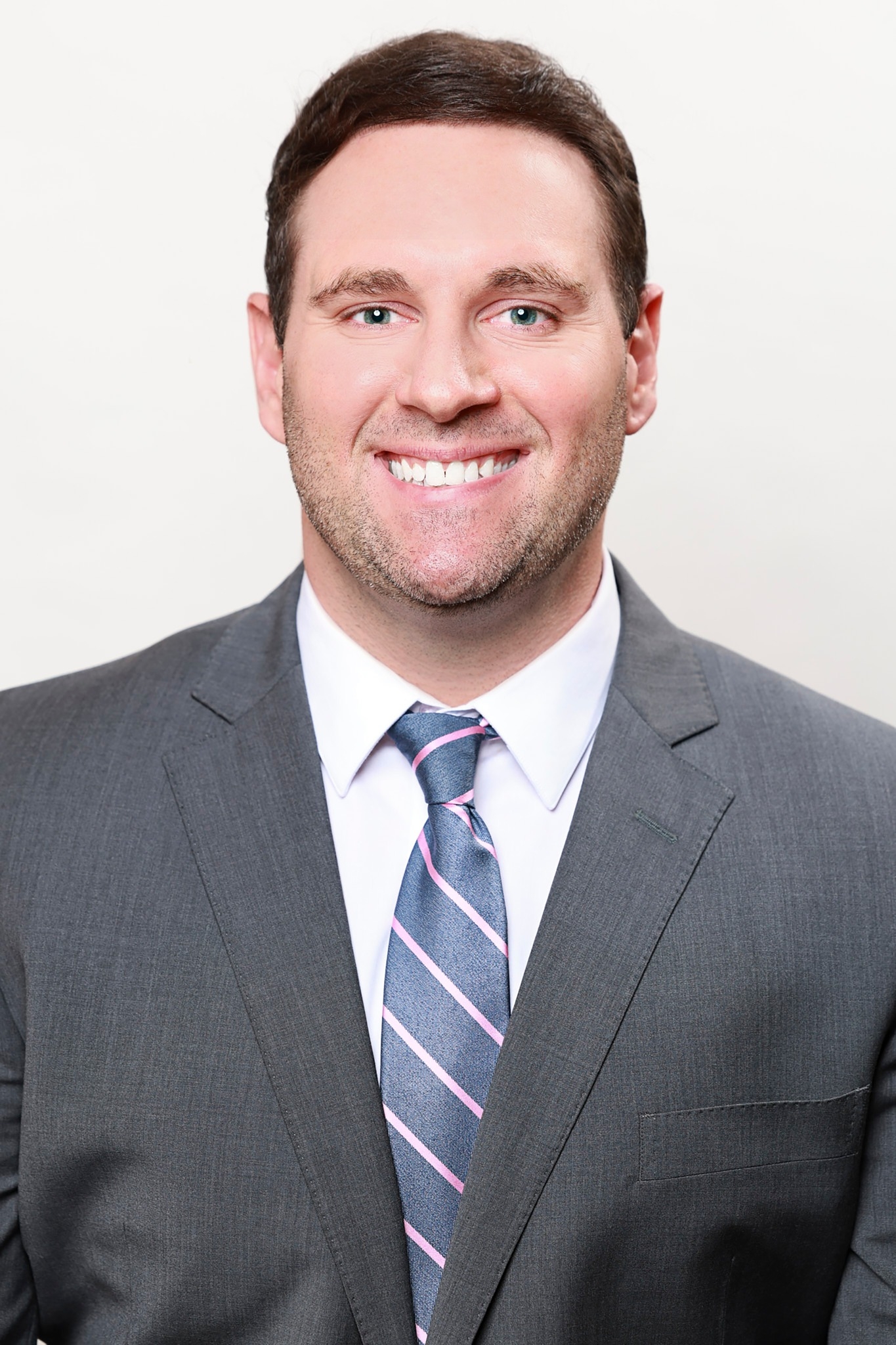
Stephen Ellias is the founder of Carolina Risk Partners LLC, an independent commercial insurance agency based in Wake Forest, North Carolina. He is a licensed North Carolina insurance professional, license number 20374040, with a CLCS, Commercial Lines Coverage Specialist, designation. Stephen helps contractors, trades, and local business owners understand general liability, workers compensation, commercial auto, umbrella liability, bonds, subcontractor risk, certificates, exclusions, contract insurance requirements, renewals, and coverage gaps in a clear and practical way.
Need a Clear General Liability Review?
If you are dealing with a renewal, contract requirement, certificate request, additional insured question, customer injury concern, subcontractor issue, exclusion concern, claim history problem, or premium increase, Carolina Risk Partners can help you understand what is happening and what options may be available.
This page is for general informational purposes only and does not provide legal advice, claims advice, contract advice, or a guarantee of insurance coverage. Coverage depends on underwriting, carrier approval, policy terms, exclusions, endorsements, eligibility, and payment of premium. General liability requirements can vary based on facts, trade, business structure, contracts, project requirements, additional insured wording, premises exposure, operations, and applicable law.