

North Carolina Restoration Crews Crossing State Lines: Insurance Changes to Check
When North Carolina restoration crews cross state lines, four things may change: workers’ compensation state requirements, pollution policy territory and exclusions, commercial auto exposure, and contractor licensing obligations. Confirm each before dispatch. A North Carolina policy, certificate, or license does not automatically satisfy every destination state’s rules.
Before Your Next Deployment
Tell us where your crews are going. We’ll help organize the insurance questions to review before dispatch.
We aim to respond within one business day. No sales pitch—just a conversation about your coverage questions.
 Read client reviews
Quick Answer
Cross-state catastrophe work requires a destination-specific review of workers’ compensation, pollution liability, commercial auto, and licensing. Verify state listings and policy wording with the carrier, confirm the work scope with the destination state’s licensing authority, and resolve contract requirements before crews leave North Carolina.
Key Takeaways
- Confirm workers’ compensation state coverage before dispatch.
- Review pollution policy territory, covered operations, and exclusions.
- Check vehicles, drivers, rentals, and covered auto symbols.
- Verify licensing, registration, and permits for the actual work.
- Compare policy endorsements with the client contract.
Why does catastrophe work change insurance requirements?
A restoration company based in Wake Forest or elsewhere in the Triangle may normally work throughout North Carolina, then receive an urgent assignment after a hurricane, flood, fire, or widespread water loss in another state.
The services may be familiar, but the deployment changes the location, contractual obligations, workforce exposure, and sometimes the work itself. The destination state may have different workers’ compensation requirements, contractor licensing rules, environmental regulations, and permit obligations.
The carrier may also need to know about a change in territory, payroll, employee duties, vehicle use, or operations. Review these factors before the crew leaves rather than waiting for a certificate request or claim.
What do workers’ compensation Items 3A and 3C mean?
Workers’ compensation is one of the first items to review when employees cross state lines. The standard policy Information Page identifies the states for which coverage applies, but the policy wording and destination-state law determine whether the arrangements are sufficient.
| Policy item | Meaning | Deployment check |
|---|---|---|
| Item 3A | Lists the states designated for workers’ compensation coverage under the policy. | Confirm the destination state is listed when required and that the policy meets that state’s rules. |
| Item 3C | Other States Insurance. Subject to the policy’s conditions, it can apply to qualifying states identified under the other-states provisions. | Do not assume Item 3C replaces an Item 3A listing required by the destination state. |
| Employer obligations | State law may affect the workers’ compensation obligations and benefits applicable to an out-of-state injury. | Confirm requirements for the specific state, employees, work, and duration of deployment. |
North Carolina General Statute § 97-36 addresses certain injuries occurring outside the state. Its application depends on statutory conditions and the facts of the case; it is not a blanket substitute for reviewing destination-state requirements.
Virginia’s Workers’ Compensation Commission explains that employers should check Virginia-specific policy state-listing requirements. Item 3C alone may not satisfy Virginia’s requirements when Virginia must be identified in Item 3A. Confirm the current rule with the Commission and your carrier before dispatch.
Provide the carrier with the destination, expected dates, employee duties, payroll, and subcontractor arrangements. These details may affect underwriting, classifications, and policy documentation.
Official resources: North Carolina Industrial Commission, Virginia Workers’ Compensation Commission, and NCCI.
What licensing rules should restoration contractors check in each destination state?
Licensing depends on the work being performed, not simply on whether a project follows a hurricane or flood. General contracting thresholds do not automatically apply to every water-mitigation, structural-drying, mold-remediation, demolition, roofing, or reconstruction assignment.
| State | Published licensing rule to check | Emergency-work provisions | Official source |
|---|---|---|---|
| South Carolina | Commercial general or mechanical contractor licensing applies to regulated classifications above applicable project-value thresholds. Residential specialty contractor registration has separate requirements. Confirm the classification and current threshold for the work. | Do not assume catastrophe deployment creates a general exemption. Verify any claimed exception for the exact scope. |
Contractor Licensing Board Residential Builders Commission |
| Virginia | Virginia contractor classes depend on project and annual contract value. Class C generally covers projects over $1,000 but below $30,000, or annual work below $250,000, subject to statutory definitions and classification rules. | Do not assume disaster work is exempt from ordinary licensing requirements. Confirm the actual work category and any applicable exception. | Virginia Code § 54.1-1100 |
| Georgia | Georgia licenses regulated residential and general contracting categories. Determine whether the actual scope falls under a state-regulated category and check any applicable project requirements. | A generally applicable restoration-specific emergency exemption has not been established here. Verify any claimed exception with the licensing board. | Georgia State Licensing Board |
| Florida | Chapter 489 regulates several contracting categories. Licensing and registration requirements depend on the trade and scope of work. | Florida Statute § 489.103 contains specific exemptions, and the state may issue temporary emergency orders. Neither should be treated as a blanket exemption for restoration contractors. |
Florida Statute § 489.103 DBPR emergency orders |
| Tennessee | A state contractor license is generally required before bidding or contracting for covered general contracting projects valued at $25,000 or more. Certain trades and subcontractors have separate requirements. | The general threshold does not establish a blanket catastrophe-response exemption. Verify any exception and applicable local requirements. | Tennessee Board for Licensing Contractors |
This is a planning guide, not a legal determination. Confirm current statutes, licensing classifications, local requirements, and any emergency orders directly with the relevant authority before accepting work.
What should you ask the destination-state licensing board?
- Does the specific work—mitigation, drying, remediation, demolition, reconstruction, or roofing—require a license?
- Does the requirement depend on contract value, the trade, or the inclusion of structural work?
- Must the company itself be licensed, or must a qualifying individual hold the license?
- Are permits, lead-safe requirements, or other environmental rules applicable?
- If an emergency provision exists, what conditions and documentation are required?
Does pollution liability cover restoration work across state lines?
Not automatically in every circumstance. Contractors pollution liability (CPL) is insurance designed to address certain pollution-related third-party claims and costs arising from covered contracting operations. The policy’s definitions, exclusions, covered operations, territory, and conditions determine how it applies.
Restoration operations can involve sewage, contaminated water, chemical products, microbial growth, lead-containing materials, and waste handling. Commercial general liability may contain pollution exclusions or restrictions, so having general liability does not answer whether a particular pollution-related claim is insured.
- Covered operations: Are the actual services described or contemplated by the policy?
- Territory and jurisdiction: Where may work occur, and where may a claim be brought?
- Pollutant definitions: How are contaminants, microbial matter, and other relevant substances defined?
- Cleanup costs: Which cleanup or remediation expenses are insured, if any?
- Subcontractors: Are their operations covered, and what insurance must they maintain?
- Emergency work: Are there notification, reporting, or approval conditions?
- Completed operations: What protection applies after the job is finished?
Pollution coverage and mold coverage can overlap, but they are not interchangeable. A restoration contractor should review the policy’s definitions, exclusions, covered operations, and territory rather than assume that a mold-related claim is covered simply because CPL is in force.
For a deeper discussion of mold-related coverage questions, read our contractors pollution liability and mold coverage guide. This article focuses on the separate question of whether insurance and operations remain appropriate when crews cross state lines.
Will commercial auto insurance cover deployed vehicles and drivers?
Review the commercial auto policy against the actual deployment plan. Confirm which vehicles are covered, who will drive them, where they will travel, and whether the crew will rent or borrow vehicles after arrival.
Covered auto symbols are numerical codes on the business auto declarations that identify which categories of autos qualify for specified coverages. Their meaning depends on the symbol and policy section. Do not assume a vehicle is covered solely because the company has a commercial auto policy.
Commercial auto checks before departure
- Company vehicles: Check trucks, vans, trailers, and other relevant vehicles against the declarations and covered auto symbols.
- Employee drivers: Verify driver eligibility, licensing, and carrier requirements.
- Hired auto: This generally concerns certain vehicles the business rents, hires, leases, or borrows, subject to the policy.
- Non-owned auto: This generally concerns certain liability exposures from vehicles the business does not own, such as employee-owned vehicles used for company business. It is not a substitute for every driver’s personal auto coverage.
- Equipment and trailers: Confirm whether tools, mobile equipment, trailers, and items carried in vehicles need separate insurance.
- Extended deployments: Tell the carrier about unusual travel, vehicle use, and any changes in garaging arrangements.
For rental vehicles, ask separately about liability and physical-damage coverage. A policy may treat those protections differently.
Related resource: Commercial Auto Insurance.
What other insurance and contract requirements should be checked?
Requirements may come from the insurance policy, the client contract, a restoration network, a property owner, a general contractor, or an emergency-response vendor. Review the written agreement before accepting the assignment whenever possible.
- Commercial general liability: Check limits, exclusions, additional-insured requirements, and endorsements.
- Commercial umbrella or excess liability: Verify underlying policies, limits, and contract requirements.
- Workers’ compensation and employers’ liability: Confirm state coverage and requested limits.
- Pollution liability: Compare the actual policy with the work scope and contract wording.
- Certificates and endorsements: Ensure issued documents match the contract. A certificate alone does not amend policy language.
- Subcontractor agreements: Verify insurance, written scopes, and responsibility for permits and licenses.
- Environmental and safety rules: Check requirements relating to lead, asbestos, waste handling, microbial remediation, and disposal.
Related resources: General Liability Insurance, Commercial Umbrella Insurance, and Workers’ Compensation Insurance.
What do key insurance terms mean for restoration contractors?
How can a restoration company prepare for an out-of-state deployment?
Hypothetical example: A restoration company based in Wake Forest receives an assignment to perform water mitigation and structural drying after a major storm in a neighboring state. It plans to send employees in company vans, rent additional equipment, and use a local subcontractor for part of the work.
Before dispatch, the company and its insurance adviser should work through the following checks:
- Confirm the destination state’s workers’ compensation requirements and whether a state-specific listing is needed.
- Review pollution policy territory, covered operations, relevant exclusions, and any emergency-response conditions.
- Check covered auto symbols, company vehicles, drivers, rentals, and non-owned vehicle exposures.
- Verify licensing and permit requirements for mitigation, demolition, reconstruction, and specialty work.
- Compare client contract requirements with liability limits, additional-insured wording, umbrella coverage, and subcontractor documents.
- Keep written confirmations, required endorsements, licenses, and certificates in the project file.
This is a planning example, not a report of an actual Carolina Risk Partners client claim or insurance placement. The goal is to identify problems before work begins rather than after a claim, contract dispute, or licensing question arises.
Deploying restoration crews outside North Carolina?
Review the destination, work scope, employees, vehicles, subcontractors, and client contract before your crew is on the road.
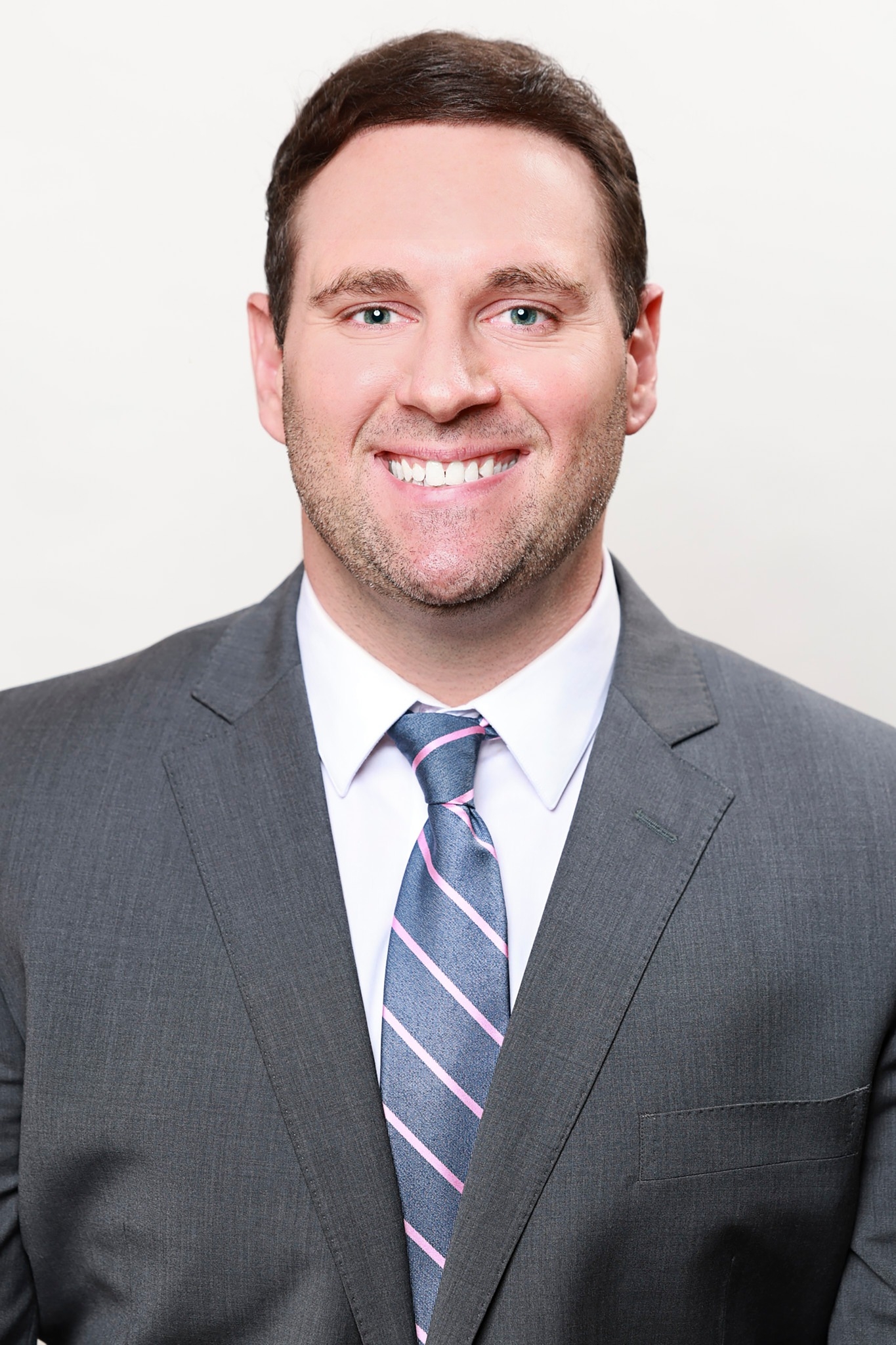
Stephen Ellias, CLCS · NC insurance license 20374030
Request a Coverage ReviewOr call (919) 910-4554.
Frequently asked questions about out-of-state restoration insurance
Does a North Carolina workers’ compensation policy automatically cover employees working in another state?
Not necessarily. The policy’s state listings, other-states provisions, and destination-state law all matter. Confirm whether the destination state must be specifically listed and ask the carrier to verify coverage before dispatch.
Is Item 3C enough when a restoration company works temporarily in another state?
Not in every state. Item 3C is the policy’s Other States Insurance provision, but a destination state may require its name in Item 3A. Virginia, for example, advises employers to check state-specific listing requirements. Confirm the current rule with the state and carrier.
Does contractors pollution liability cover mold remediation in every state?
No blanket answer applies. Coverage depends on policy territory, covered operations, pollutant and microbial definitions, exclusions, conditions, and other wording. Review the actual policy against the planned work and destination before accepting the assignment.
Does commercial auto insurance cover rental vans used during catastrophe response?
It depends on the policy, selected coverage, and how the rental vehicle is used. Ask the carrier to confirm liability and physical-damage coverage and verify the drivers and rental requirements.
Can a restoration company skip contractor licensing after a hurricane or flood?
Do not assume so. Licensing rules and any emergency-related provisions depend on the state, work type, project circumstances, and other conditions. Check the relevant state licensing board and local permitting authority before work begins.
What should a restoration company send its insurance agent before deploying out of state?
Provide the destination and work address, expected dates, work description, estimated payroll, employee and subcontractor details, vehicle and rental plans, client contract, insurance specifications, and any licensing or permit requirements already identified.
Who can help a North Carolina restoration contractor review insurance before an out-of-state deployment?
Stephen Ellias, CLCS, at Carolina Risk Partners can discuss a North Carolina contractor’s insurance questions and help identify items to confirm with carriers and destination-state authorities. His North Carolina insurance license number is 20374030. Coverage and licensing decisions depend on the applicable policy, law, and authority.
Which official sources should contractors consult before deployment?
- North Carolina Industrial Commission — workers’ compensation information.
- Virginia Workers’ Compensation Commission — Virginia employer and coverage requirements.
- NCCI — workers’ compensation policy and catastrophe-response resources.
- South Carolina Contractor’s Licensing Board.
- Virginia Board for Contractors.
- Georgia State Licensing Board.
- Florida Department of Business and Professional Regulation.
- Tennessee Board for Licensing Contractors.
- U.S. Environmental Protection Agency lead resources.
Policy and regulatory resources reviewed October 29, 2026. Requirements can change. Confirm current rules directly with the relevant authorities and insurer before relying on them for a deployment.
About Stephen Ellias, CLCS
Stephen Ellias works with Carolina Risk Partners LLC in Wake Forest, North Carolina, helping contractors and business owners evaluate commercial insurance questions and practical risk-management needs.
North Carolina insurance license: 20374030. The CLCS designation is listed here as supplied for the author; confirm the credential’s official expansion before publication.
Stephen’s profile · About Carolina Risk Partners · Client reviews
Check Your Coverage Before the Crew Rolls
If your restoration company is preparing for catastrophe work outside North Carolina, review workers’ compensation state coverage, pollution liability, commercial auto, and contract requirements before accepting the assignment.
Request a Coverage ReviewPrefer to talk? Call (919) 910-4554.
This article provides general insurance and risk-management information, not legal advice or a coverage determination. Insurance policies differ, and state requirements depend on the facts and applicable law. Review your policy and contract with your insurance professional and confirm licensing and regulatory requirements with the relevant authorities.